The Tortoise In Its Lair

Hiking the Desert Tortoise Natural Area in the Mojave Desert

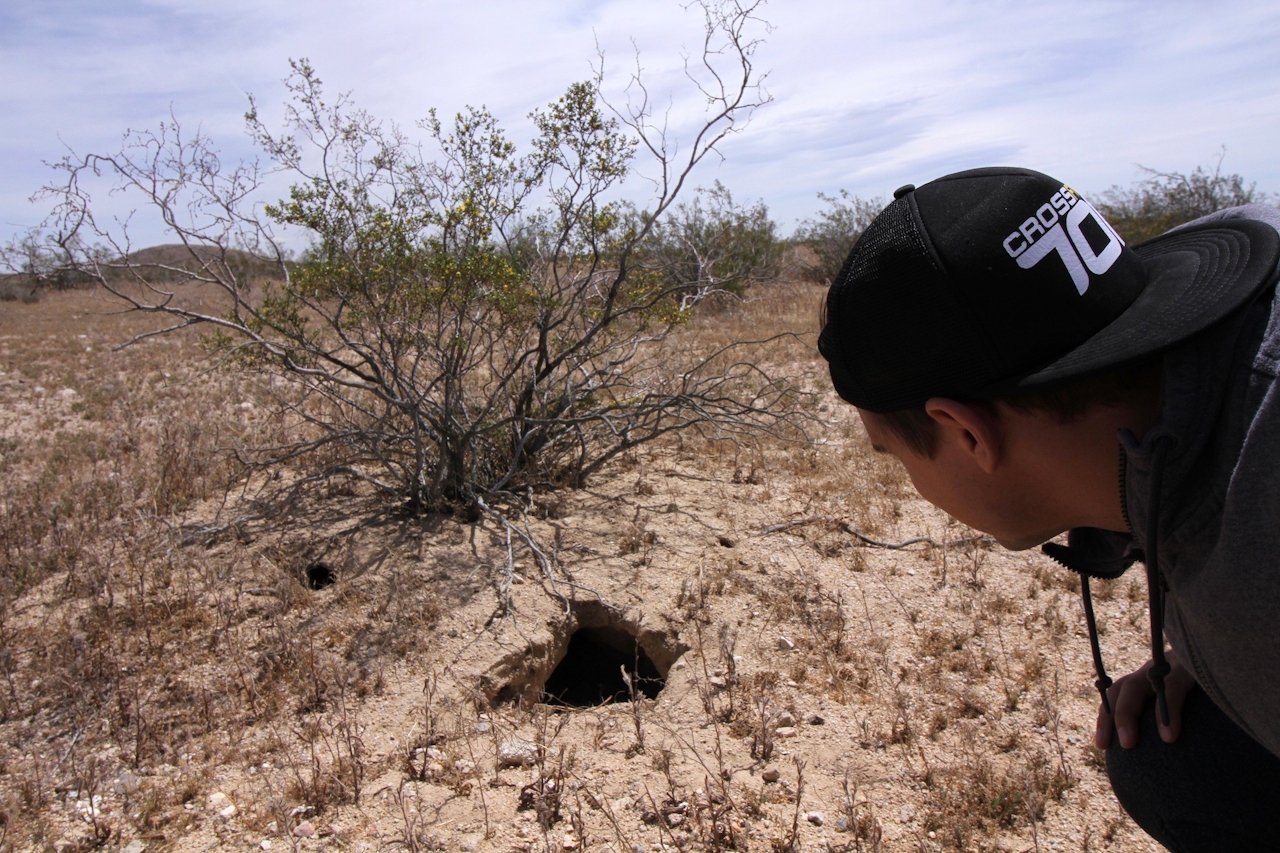
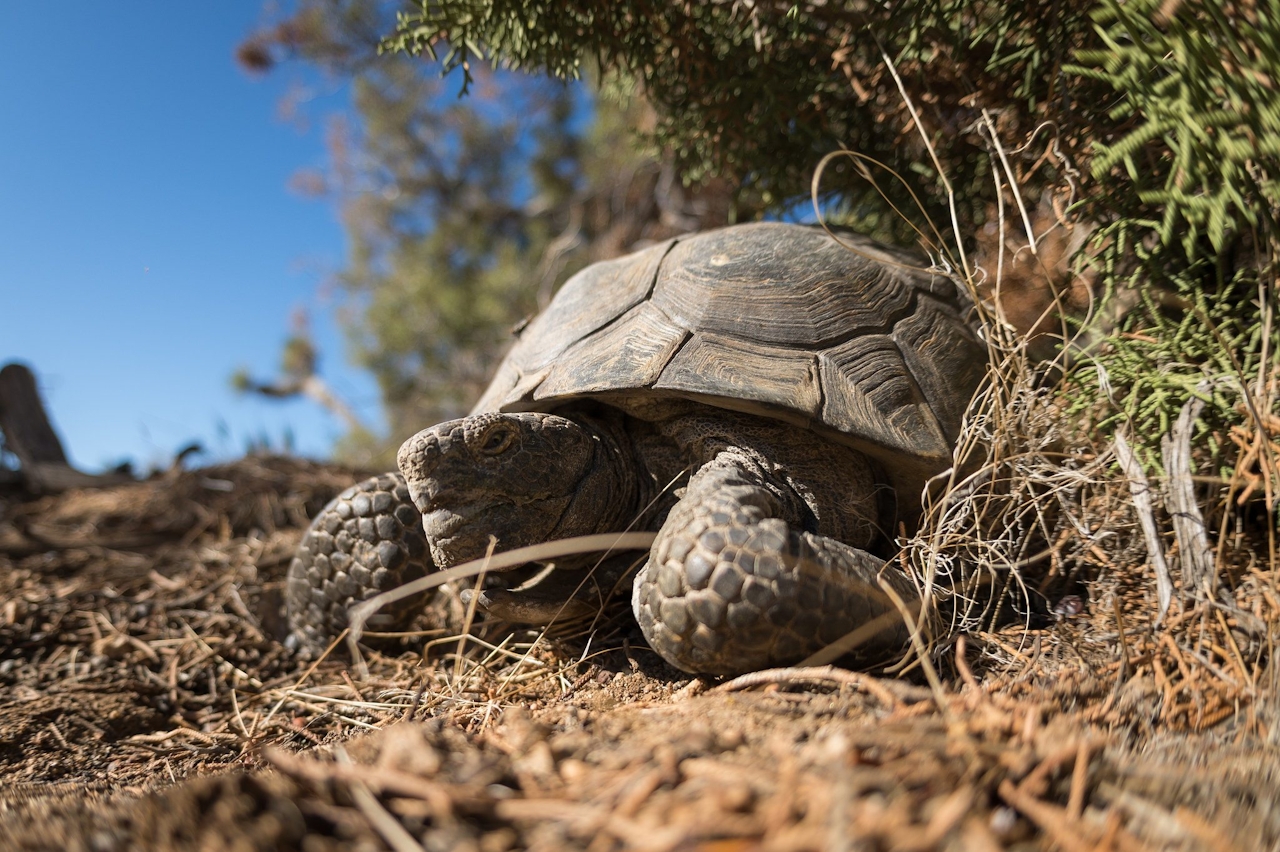
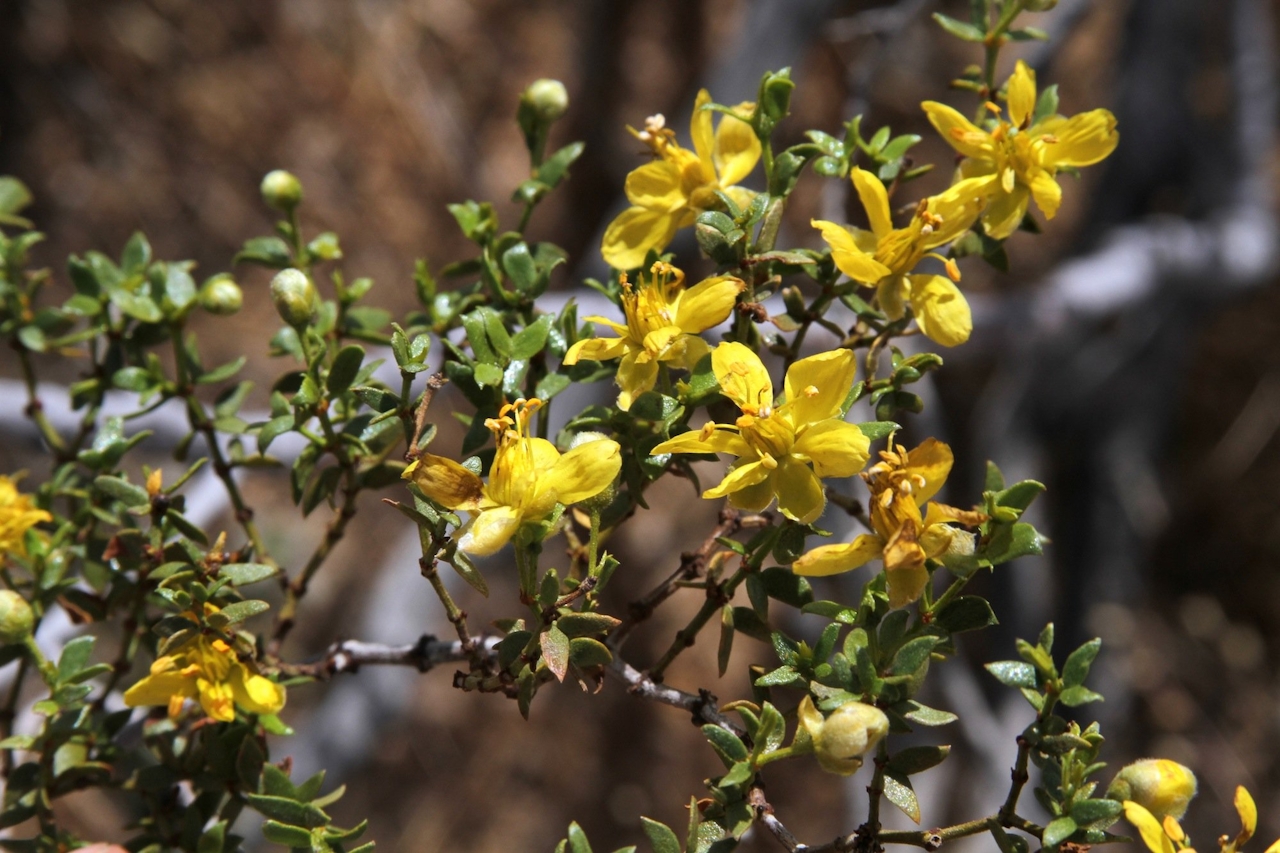
The Mojave Desert’s most extraordinary creatures are rarely seen, but at the Desert Tortoise Research Natural Area, you’ll have your best chance. Tortoises live in higher density in the 39.5-square-mile preserve than in other parts of the Mojave, and now is the best time to visit, as they emerge from their burrows in spring to feed on flowers and foliage. Once summer heat takes hold, they tend to stay underground.

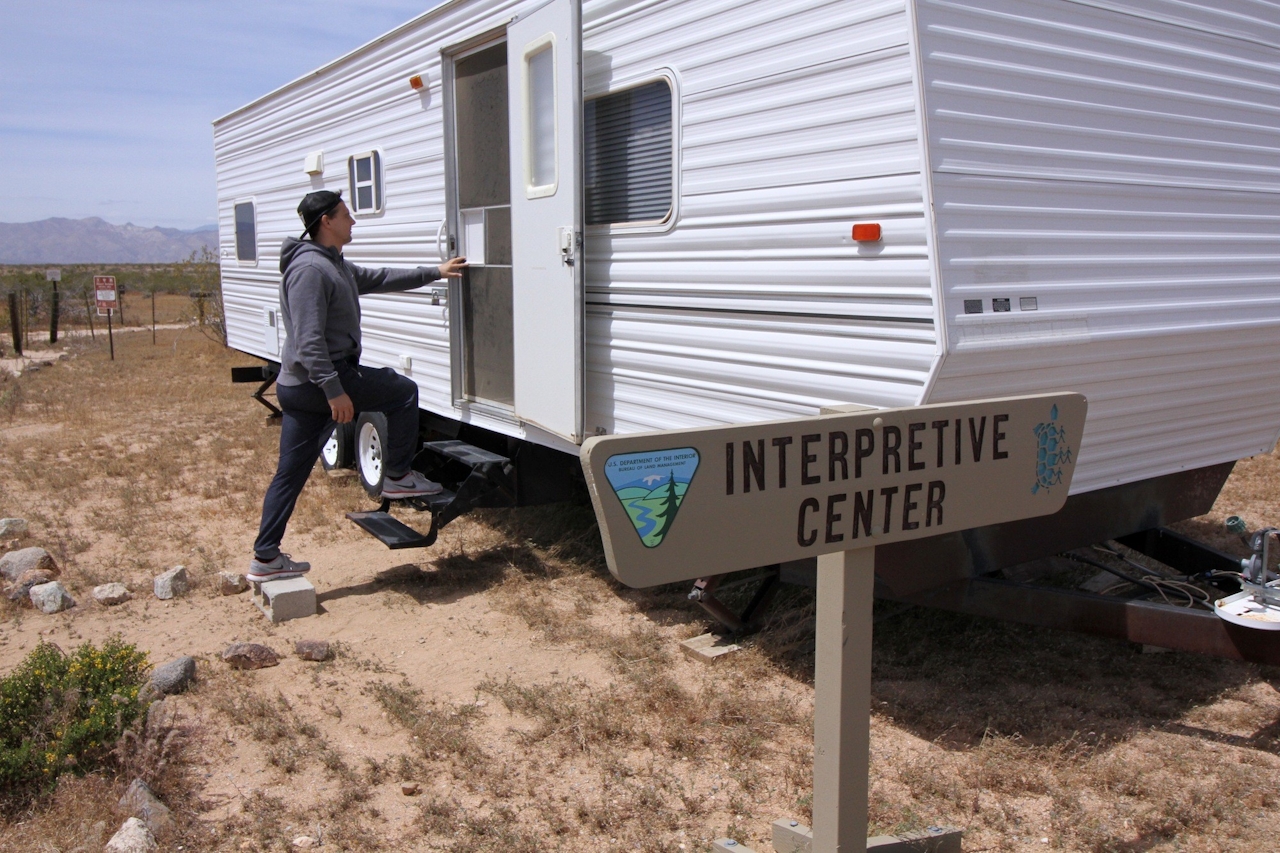
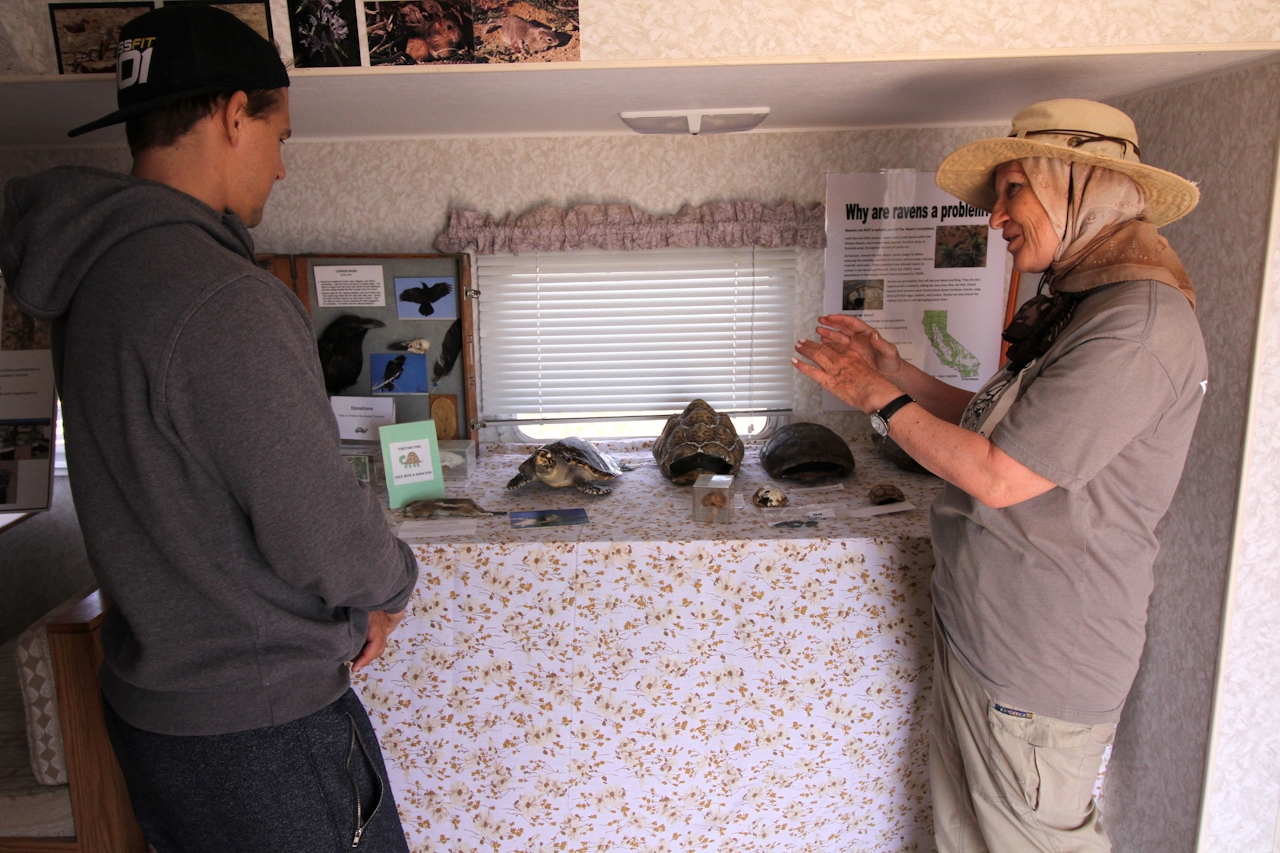
The preserve, just northeast of California City, lies on a vast plain of sage and creosote, with the southern tip of the Sierra Nevada visible to the west. You can choose from four interpretive loop trails, each with numbered stops pointing out unique plants and animals. A naturalist in the interpretive center (on duty until early June) can suggest the best areas for spotting tortoises and can tell you all about these venerable reptiles who have survived in the Mojave for millions of years—and how the burgeoning raven population threatens the tortoises here.
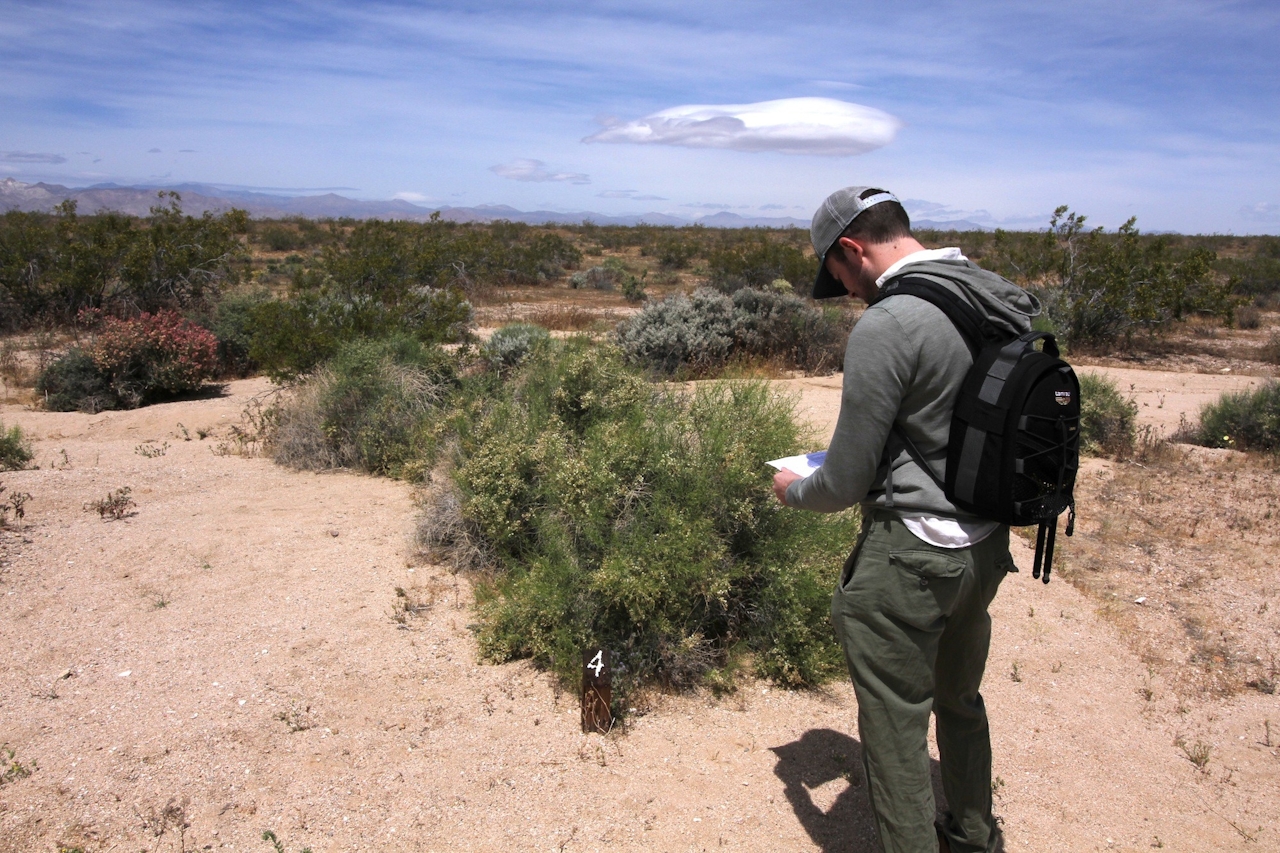
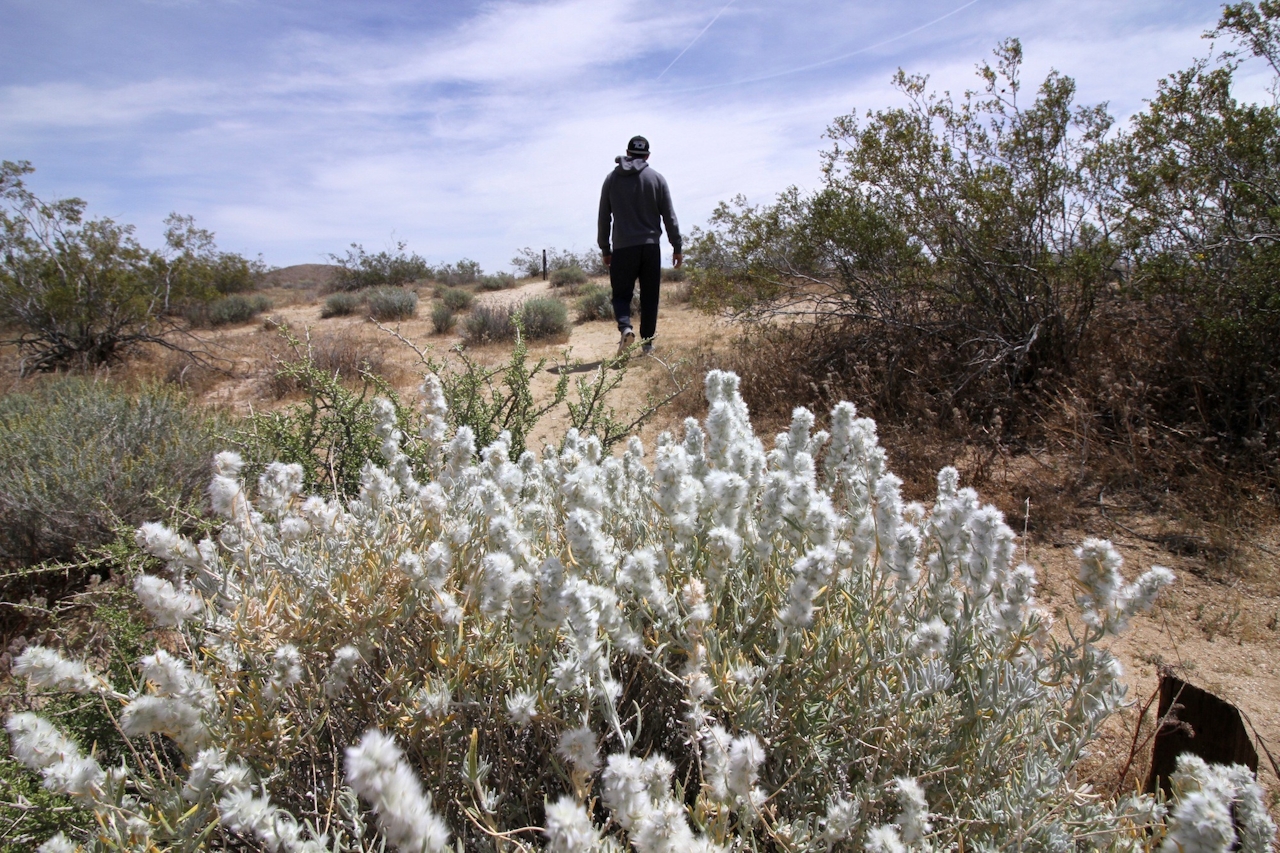
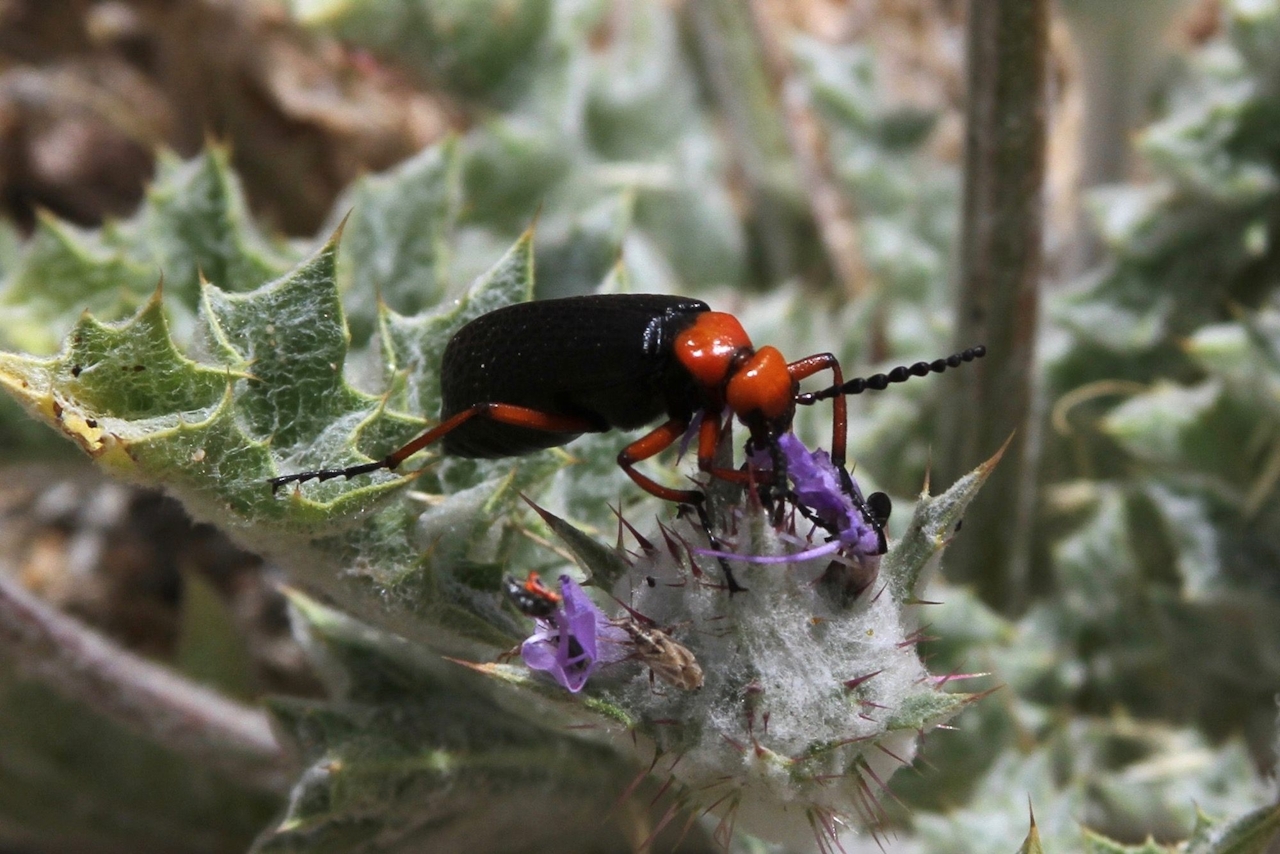
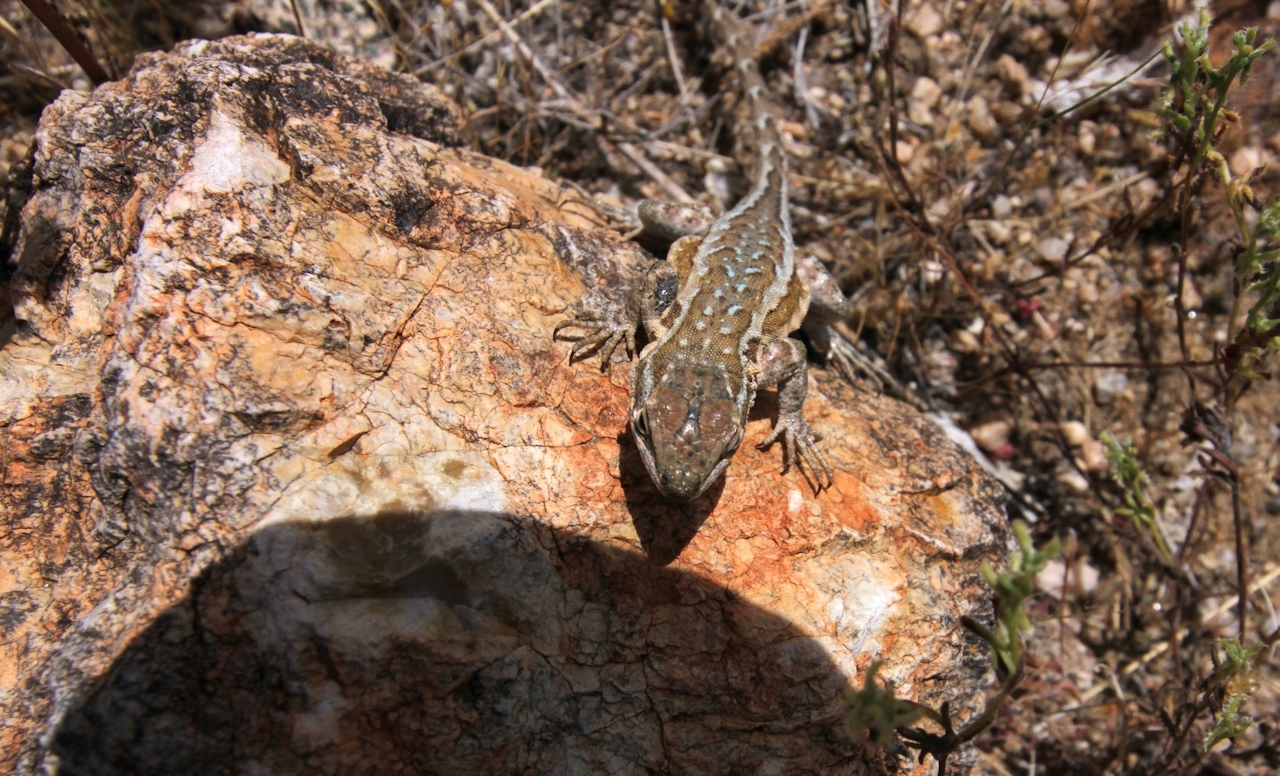
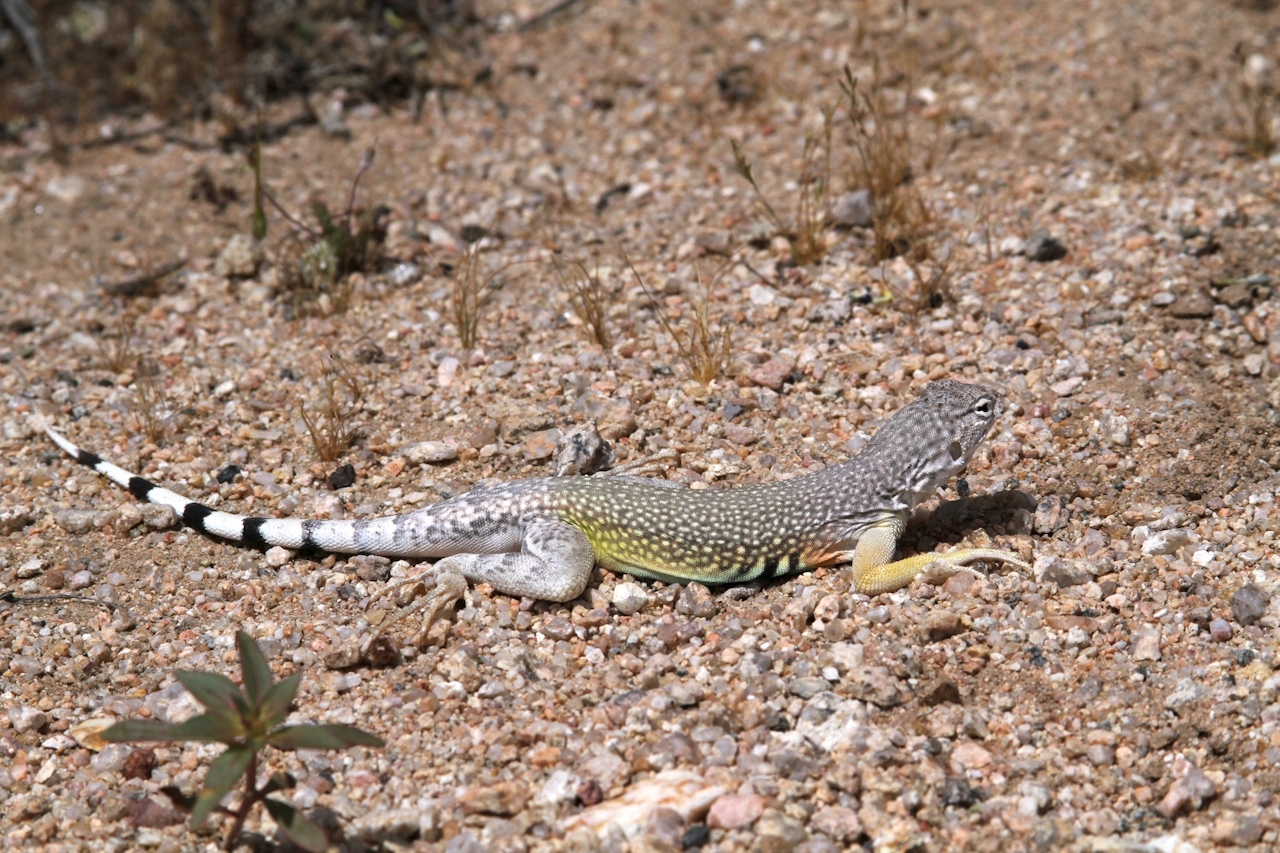
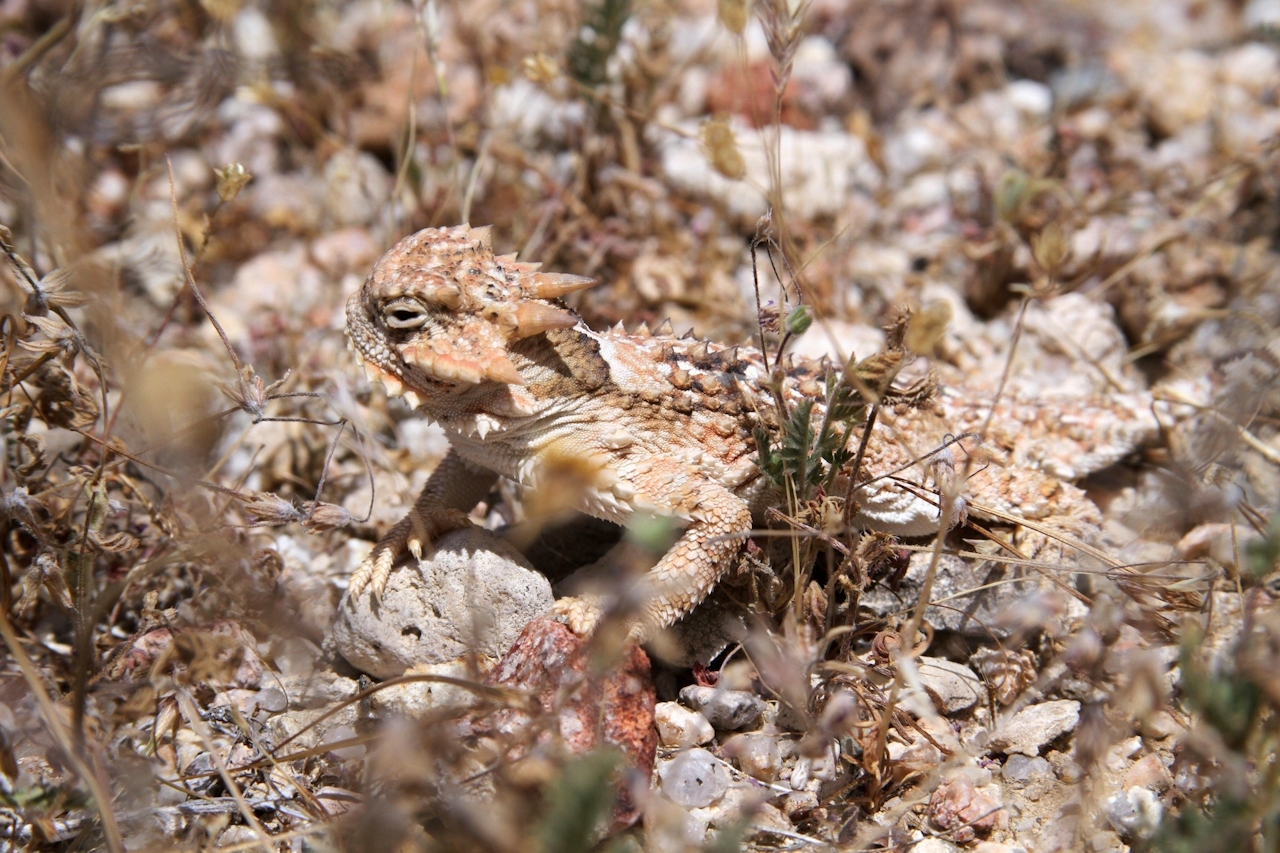
There’s no guarantee that you’ll actually see tortoises, but visit early in the morning for the best chance. Regardless, you’ll learn a lot and enjoy an easy desert stroll. For example, the 0.75-mile Animal Loop offers a great primer on local mammals (including the tiny kit fox) and the tortoise’s various reptilian brethren that call this land home. You’re likely to see an array of colorful lizards, the most peculiar being the well-camouflaged desert horned lizard, aka horny toad.

To reach the Desert Tortoise Research Natural Area, take CA-14 north past the town of Mojave, exit at California City Blvd., and go east for 10 miles. Turn left on Randsburg Mojave Rd. After 1.4 miles, continue straight on 20 Mule Team Pkwy. After 1.7 miles, turn left on 130th St. After 1 mile, turn right on Randsburg Mojave Rd. After 1.7 miles, turn left on 140th St. and follow it into the preserve. The preserve is open daily from 8:00 a.m. to 5:00 p.m. Tortoise photo by Kurt Moses. No dogs.

Trending Stories NorCal

View all Stories
  1. Mike Zakowski (aka Mike the Baker) standing in front of his wood-fire oven at the Sonoma Valley Farmers' Market

    NEW! Walkin' and Talkin': Break Bread, Go On a Panoramic Hike

    What’s a world-traveling, medal-winning baker’s favorite local hike? Weekend Sherpa co-founder Brad Day caught up with Mike Zakowski (aka Mike the Baker) at Sonoma’s Friday farmers' market, where his wood-fired loaves draw loyal crowds. Between bites of fresh-baked bread, they talk baking, travel, and why Sonoma's Overlook Trail is one of his favorite quick, panoramic hikes.

    View
  2. Hidden Botanical Garden

    Forget a dozen roses. Give your love a botanical garden. Hidden on the western slope of Sonoma Valley’s Mayacamas Mountains, Sonoma Botanical Garden has one of the Bay Area’s best displays of Asian flora—and it’s a brilliant place for a quiet picnic and some calming contemplations.

    View
  3. Sunnyvale and Salty

    For up-close bird watching, it’s hard to beat a walk along the San Francisco Bay. This 5-mile loop on the Sunnyvale coast is a favorite of local wildlife photographers.

    View
  4. A man takes a break at a temple spot on a hike at Dragon Mountain in Milptas

    Dragon Quest

    The newly reopened, 4-mile out-and-back hike at Dragon Mountain in Milpitas mixes the physical with the spiritual for a serene hiking experience.

    View

Trending Stories SoCal

View all Stories
  1. Sponsored

    Warm Up to Winter in Reno Tahoe

    2026 is just getting started, but there’s one place already rising to the top as the best for adventure and relaxation: Reno Tahoe. The awe—and ahhhs—begin as soon as you arrive. G

    View
  2. A woman stands at Dante's View in Death Valley, looking out to Telescope Peak and Manly Lake, Badwater Basin below.

    Sunset Hike at Dante's View

    It’s one of the world’s best places to watch a sunset. Dante’s View is a 5,476-foot vantage of the whole southern basin of Death Valley from the top of the Black Mountains. Right now there's a banner and bonus view of a rare lake formation that appears only after big rains.

    View
  3. It's a Waterfall Life

    Tahquitz Canyon’s crystalline stream and lush stands of desert lavender, honey mesquite, and leafy sycamores is home to an easy day hike with a big bonus: a 60-foot waterfall that runs with remarkable gusto after winter rains.

    View
  4. Oh Snow Nice

    Live in California long enough, and you’ll come to know the rite of passage called “going to the snow”–when we ditch our fair-weather cities and towns in search of winter weather. Sequoia & Kings Canyon National Parks deliver a winter wonderland worth a visit if there’s been a good dose of snow.

    View